Open YouTube

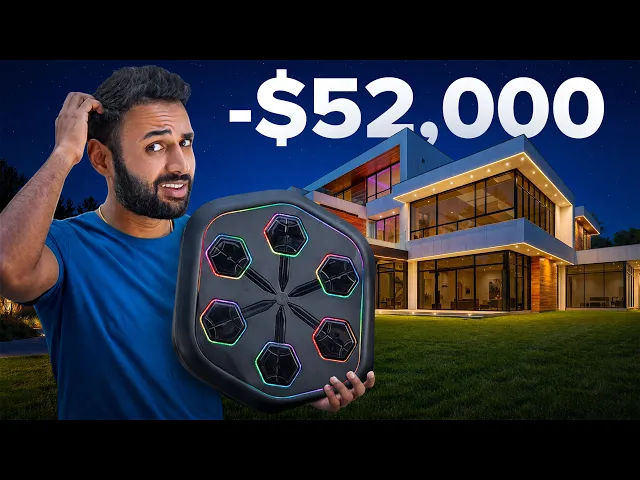
How I wasted $52,000 in my Dream Smart Home

Mrwhosethebossautoenpublicupdated

Read in about 3 minutes instead of watching 20 minutes.

Living room and kitchen

  1. Imported wireless chargers proved inconvenient for guests, while portable power banks and strategically placed retractable USB-C wall chargers worked better.
  2. The rarely used party-drinks setup was replaced with a practical tea and coffee station.
  3. A high-end Miele coffee machine felt slow, loud, and outdated, so it was replaced by a more intuitive De'Longhi model at a similar price.
  4. Frequently used appliances and Simplehuman kitchen products justified their cost through convenience and reliability.

Organization and everyday upgrades

  1. Self-watering pots reduced plant maintenance from weekly watering to refilling a reservoir roughly once a month.
  2. Air purification, acoustic panels, and better-diffused lighting improved the kitchen environment.
  3. Drawer dividers, trays, and dedicated storage locations made tidiness easier, prevented lost items, and revealed when supplies needed replenishing.
  4. Shoe organizers increased storage capacity by vertically stacking each pair.

Garden and office failures

  1. A $4,000 bioethanol outdoor fireplace was difficult to fuel and light and produced a weak flame; a gas fire pit was faster and more effective.
  2. The Samsung Flip Pro was unnecessary, heavy, and rarely used because a normal whiteboard met the same needs.
  3. A $15,000 indoor water feature required noisy equipment and complex maintenance, developed mold and odors, and cost another $1,000 to remove.
  4. Desks with integrated power and magnetic cable management greatly reduced visible wiring while remaining height-adjustable.
  5. Professionally installed acoustic treatment transformed the echo-prone office and entryway into much quieter spaces.

Gym, guest room, and cinema

  1. A TikTok-style boxing wall was impractical for real workouts, so it was replaced with a quality punching bag that also tracks performance.
  2. Spare iPhones became room controls for guests, with written instructions for adjusting blinds, temperature, lighting, and the television.
  3. The cinema remained heavily used, but its snack cabinet was changed to healthier food and expanded with conveniently stored wellness equipment.

Studio B's costly redesign

  1. A $22,000 set of futuristic LED sofas was uncomfortable, dim, cable-heavy, and too difficult to reposition for changing video sets.
  2. The studio was redesigned around mobility, with furniture and even the large television mounted on wheels.
  3. Seven-foot mirrors created unwanted reflections and had to be frosted.
  4. Window blinds obstructed access during filming, so fixed acoustic panels were installed to block more light and noise without interfering with the door.

Core lessons

  1. Rushing dozens of major decisions immediately after buying a first home led to expensive mistakes.
  2. The most expensive or technologically advanced product is not necessarily the right product for the actual use case.
  3. Simple systems, especially effective storage and organization, often deliver more lasting value than flashy technology.

Actiepunten

  1. Take as much time as possible before making major purchases.
  2. Choose the version that fits your real needs instead of automatically buying the best or most expensive version.
  3. Use drawer organizers to give each type of item a dedicated place.
  4. Choose a gas fireplace instead of a bioethanol model for an outdoor fire pit.